Your cart is empty
Tax included and shipping calculated at checkout


Drawer menu
Tax included and shipping calculated at checkout

Every few years, interior design declares a new obsession.
One season it is sterile minimalism with endless white walls and furniture that feels afraid to take up space. Then comes the inevitable reaction: louder colors, exaggerated shapes, decorative excess presented as liberation. The cycle repeats itself because trends are designed to expire.
Well-designed homes rarely follow that cycle.
The most compelling interiors being created in 2026 are moving in a different direction entirely. Designers and homeowners are becoming far less interested in spaces that photograph well for six months and far more invested in homes that age with dignity. Rooms are expected to feel personal, architectural, deeply tactile, and emotionally intelligent. Materials should improve over time. Furniture should outlive temporary aesthetics. Lighting should create atmosphere rather than simply illuminate. Every layer of the home should feel intentional enough to remain relevant long after trend forecasts are forgotten.
At Archideco Interior Gallery, this philosophy has defined curation for years. The brands represented here are not built around seasonal hype. They reflect a quieter confidence: craftsmanship, permanence, and design choices that continue rewarding their owners over time.

The era of synthetic perfection is fading quickly. Perfectly lacquered surfaces, artificial finishes, and interiors that feel disconnected from nature are losing appeal because they rarely age well.
Natural materials create a different emotional response. Oak develops character. Stone gathers subtle imperfections that make it more beautiful. Linen softens over time. Handmade ceramics bring irregularity that feels deeply human.
This renewed appreciation for authenticity explains why architectural wood surfaces are becoming central design elements rather than secondary finishes.

Wonderwall Studios has become particularly relevant in this conversation. Their sculptural wood wall panels transform flat surfaces into architectural statements through texture, depth, and craftsmanship. These installations do not scream for attention. They quietly shape how a room feels, introducing warmth and visual rhythm that paint alone could never achieve.
Whether used in private residences, executive apartments, or hospitality spaces, textured wood walls create an atmosphere of permanence that feels increasingly valuable.
Pair these architectural surfaces with natural stone coffee tables, linen drapery, hand-finished oak cabinetry, and spaces immediately feel grounded rather than temporary.
Cool grey palettes dominated much of the early 2020s. They photographed beautifully and often felt emotionally distant.
Today’s most enduring interiors are embracing warmer palettes inspired by landscapes rather than social media filters: sand, olive, terracotta, walnut, clay, soft beige, and mineral tones.
These colors feel familiar because they exist naturally in the world around us. They calm the eye and allow investment pieces to remain versatile for years.

DOM Edizioni understands this balance exceptionally well. Their furniture introduces sophistication through subtle color palettes, refined silhouettes, and tactile finishes that work effortlessly within layered neutral interiors. Their pieces feel collected rather than purchased all at once, which is exactly what timeless homes require.
A well-designed room should not feel locked into one decade. Warm neutrals allow evolution without requiring constant redesign.
Rounded furniture may appear trend-driven on the surface, but its staying power comes from something far more practical: people want their homes to feel comfortable again.
Sharp-edged furniture often prioritizes visual rigidity over actual living. Softer silhouettes create emotional warmth.

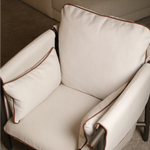
LASKASAS has mastered this category through sculptural sofas, generous seating proportions, and refined curves that feel substantial without becoming overpowering. Pieces such as their statement sofas and armchairs create softness while maintaining architectural discipline.
These are furniture pieces designed for homes where people genuinely live: hosting dinners, spending weekends with family, reading for hours, or simply enjoying stillness after long working days.

SECOLO approaches curves differently, bringing stronger artistic identity through bold silhouettes and contemporary proportions. Their collections feel especially compelling for homeowners who want sculptural pieces that become conversation starters without sacrificing elegance.
Together, both brands represent what timeless seating looks like today: comfortable, sculptural, and quietly expressive.
This may be one of the most significant shifts in contemporary interiors.
For years, lighting was treated as a final checklist item. Designers selected fixtures late in the process and often prioritized function over artistry.
That mindset has changed.
Lighting now acts as sculpture, architecture, and emotional storytelling all at once.

Catellani & Smith creates lighting that feels poetic and deeply atmospheric. Their handcrafted pieces often resemble floating celestial objects, bringing softness and drama into modern interiors.

Terzani introduces a more dramatic visual language through statement chandeliers and installations that interact beautifully with shadow and reflection.

Beneito Faure offers refined architectural lighting solutions that blend technical precision with understated design sophistication.
Together, these brands reflect a growing truth: lighting should shape emotion inside a space, not simply brighten it.
A dining room changes entirely under sculptural pendant lighting. A bedroom becomes softer under layered ambient lighting. A hallway suddenly feels curated rather than transitional.
The right fixture can completely redefine architecture.
Luxury today feels softer than it did a decade ago.
Heavy ornamentation has given way to tactile restraint: bouclé seating, brushed wool rugs, linen drapery, velvet accents, cashmere throws, and textured upholstery that invite physical interaction.

This movement reflects a broader desire for emotional comfort.
Beautiful interiors should feel lived in, not protected like museum spaces.
Layering textiles introduces warmth without relying on excessive decoration. It allows rooms to feel complete while maintaining visual calm.
A textured sofa paired with linen curtains, wool rugs, and soft upholstered chairs creates complexity that reveals itself gradually.

The result feels sophisticated because it never tries too hard.
Minimalism is not disappearing. It is becoming more human.
Homeowners still appreciate clarity and space, but they no longer want rooms stripped of personality. The most timeless interiors now balance restraint with individuality through curated books, collected art, sculptural objects, layered lighting, and meaningful decorative pieces.

This approach creates homes that feel personal rather than staged.
The goal is not visual noise. The goal is depth.
The strongest design movement of 2026 may be the rejection of urgency itself.
Homeowners are increasingly investing in pieces that remain relevant for decades because they are beautifully made, emotionally resonant, and architecturally thoughtful.
This shift feels less like a trend and more like a correction.

At Archideco Interior Gallery, this philosophy remains central to every collection.
Design trends will continue changing. A well-designed home should not feel pressured to keep up. It should feel exceptional now and even better years later.
Photos: courtesy of brands, @anastasijalangere